
The Need
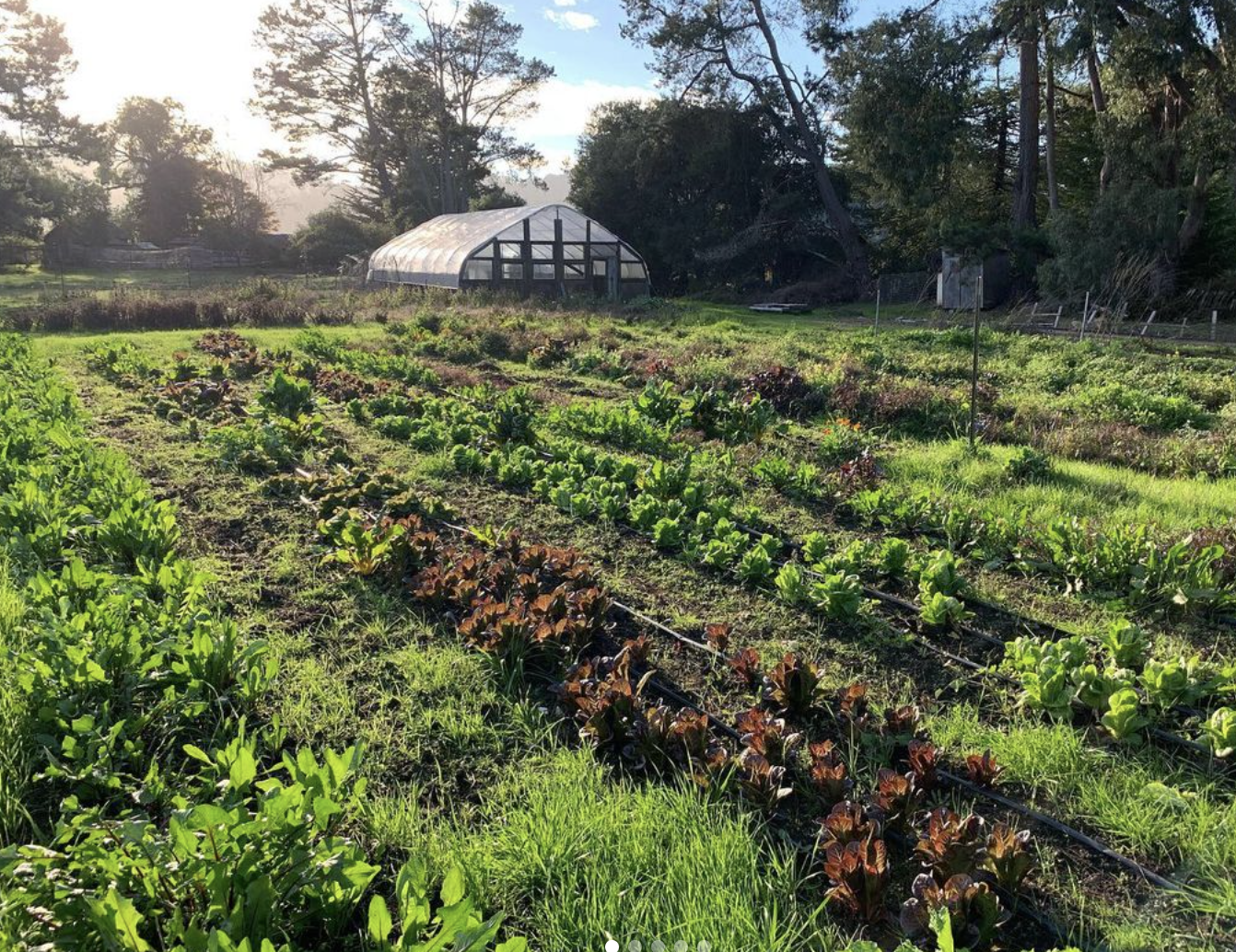
West Marin’s rural geography, limited transportation, seasonal food access, and uneven institutional capacity create persistent barriers to fresh, local food.
Farms and gardens produce abundant food, but the region needs stronger systems to connect that food to schools, families, food pantries, community centers, and older adults. WMFS identified a need not only for more food access, but for better coordination among growers, schools, gleaners, volunteers, and community based organizations.
What We Did
WMFS strengthened the network connecting farms, gardens, schools, and community food programs. Through the West Marin Glean Team, ExtraFood, and Share the Bounty, surplus produce was recovered and redistributed through schools, community centers, food pantries, older adult sites, and other local partners, including preschools.
We also supported school gardens and garden-based education at sites including West Marin School, Tomales Elementary School, Nicascio School, Paper Mill Creek Children’s Corner and Lagunitas School, while advancing local farm procurement and connections between farmers and school meal programs. Sembrando Vida and related food-maker efforts expanded access to culturally relevant foods and created new opportunities for local growers and entrepreneurs.
The impact extends well beyond the amount of food recovered or purchased. School gardens are helping children try new foods, build cooking and gardening skills, and bring healthy food knowledge home to their families. Local procurement strengthens relationships between schools and farmers, while gleaning creates a dependable pathway for surplus food to reach people who can use it. These efforts have also increased volunteer engagement, supported culturally appropriate food access, reduced food waste, and strengthened connections among farms, families, schools, and community organizations.
Community Resilience
Through community conversations, ripple mapping, and place-based exchanges, WMFS has also begun connecting everyday food access with longer-term community resilience. The same network of farms, gardens, schools, community centers, older adult sites, volunteers, and food-distribution partners can help West Marin respond more effectively during emergencies, power outages, transportation disruptions, or other events that affect food access. The result is a more connected regional food system, one that keeps local food circulating, supports local producers, and builds stronger relationships before they are needed in a crisis.
Sem Brando Vida
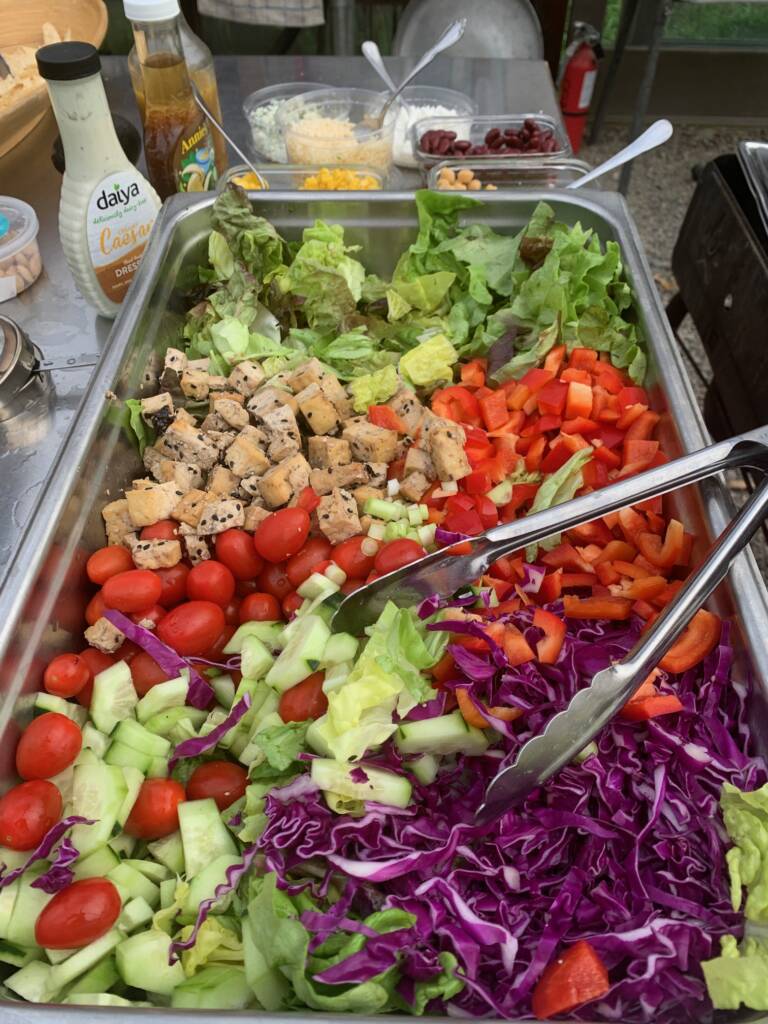
Through the Farms & Gardens Initiative, West Marin Food Systems has supported Sem Brando Vida, a community-led initiative that strengthens Latino leadership and expands access to culturally relevant, locally grown foods in West Marin. In partnership with West Marin Climate Action, West Marin Lions Club, and Redwood Lions Through the Farms & Gardens Initiative, West Marin Food Systems has supported Sem Brando Vida, a community-led initiative that strengthens Latino leadership and expands access to culturally relevant, locally grown foods in West Marin.
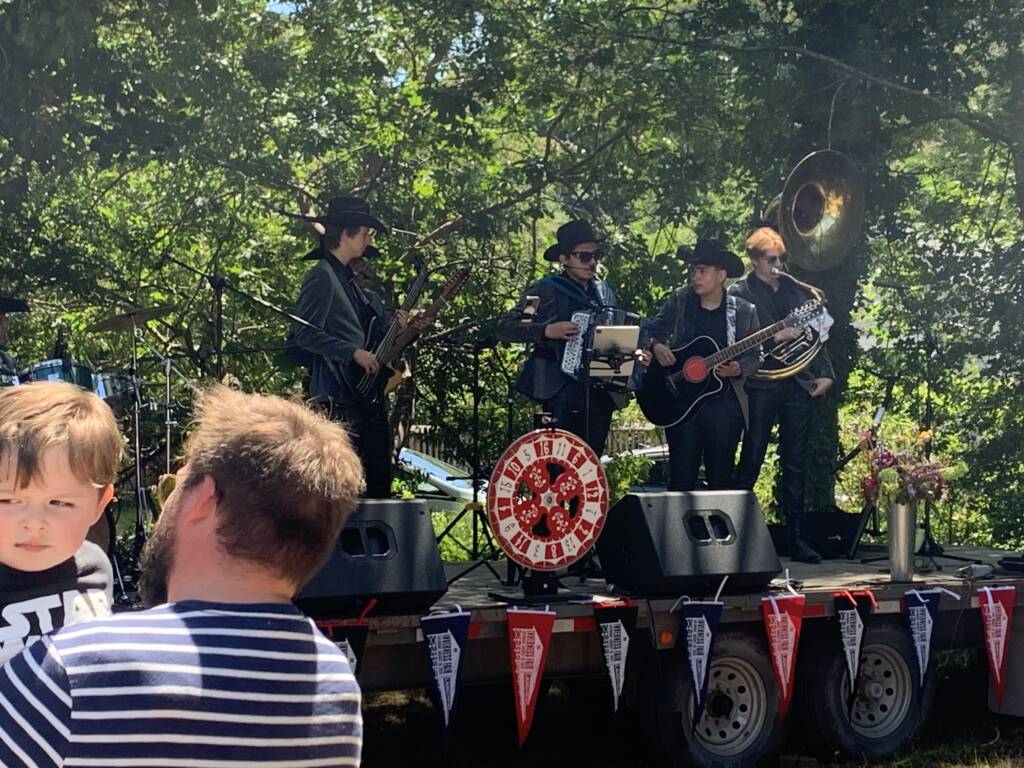
In partnership with West Marin Climate Action, West Marin Lions Club, and Redwood Lions Memorial Foundation, Sem Brando Vida has strengthened connections to land, resources, and technical assistance to support community-based food production. Key partners including Blue Marble Acres, John Wick with the Marin Carbon Project, Kitchen Table Advisors, and Marin County Parks’ Food, Agriculture & Resilient Ecosystems program have provided agricultural expertise, mentorship, and technical guidance while supporting emerging Latino leadership.
This partnership demonstrates how investing in community leadership strengthens the local food system by expanding opportunities to grow culturally relevant foods, building on existing agricultural knowledge and skills, and deepening connections among land, food, agriculture, and community.
Success Story
The West Marin Glean Team is a community food-recover initiative in partnership with West Marin Climate Action (WMCA) and Extra Food/Share the Bounty. The Glean Team harvests surplus produce and donates it to local food distribution networks to advance local food resilience and equitable access to fresh fruits and vegetables while reducing food waste. Our Glean Team works with program partners to recruit and train volunteers and provide outreach to donors from West Marin’s villages. The goal of this initiative was to create sustainable systems change by leveraging Extra Food’s administrative and logistical support and expanding on their Share the Bounty infrastructure. As key partners, Share the Bounty takes the lead in organizing harvest requests and recruiting from among the registered glean leads and volunteers to pick up and deliver each glean of fruit or vegetables.
We have drawn more actively on the Share the Bounty volunteer list and cultivated repeat donors who contact us annually for harvests. Donations are delivered locally to food pantries, schools, and senior centers. In the past two years we have expanded the number of glean leads from three to five and engaged over 40 volunteers. To help educate the community about local food resilience, West Marin Climate Action (WMCA) authored a series of six articles for the Point Reyes Light spotlighting the glean team, among other programs. WMCA has also sponsored social events, edible garden tours, and seedling exchanges where community members can learn about climate action opportunities such as the glean team.
Our Glean Team has connected its efforts to our School Wellness Initiative through apple cider making demonstrations and tastings at two Shoreline School Harvest Festivals. To date, this project has gleaned over 12,291 lbs of produce for West Marin families to enjoy the delicious fruits and vegetables of the Glean Team’s labor.