
What We Did
WMFS strengthened community meal systems by connecting food makers, nonprofits, health partners, and community organizations.
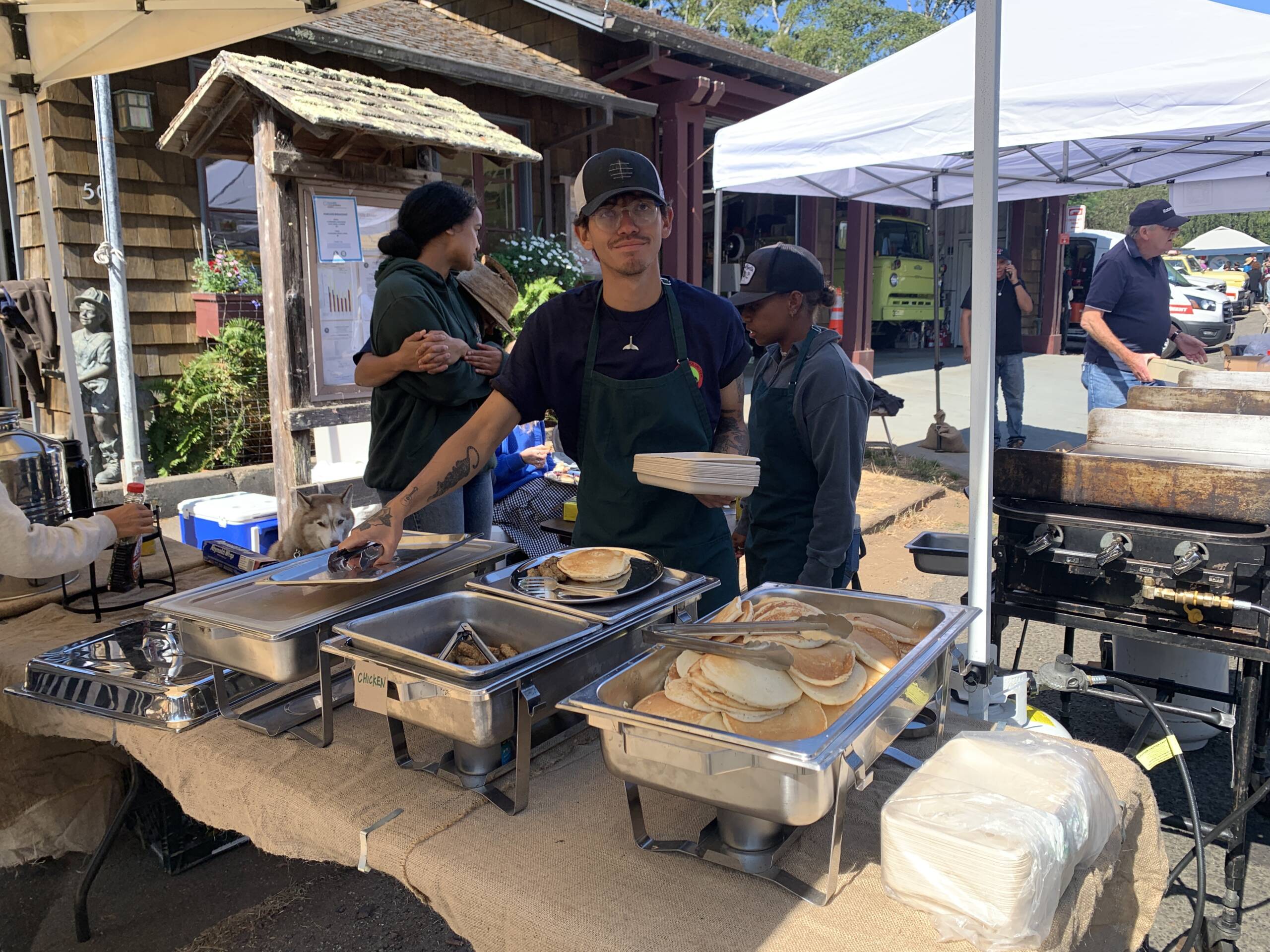
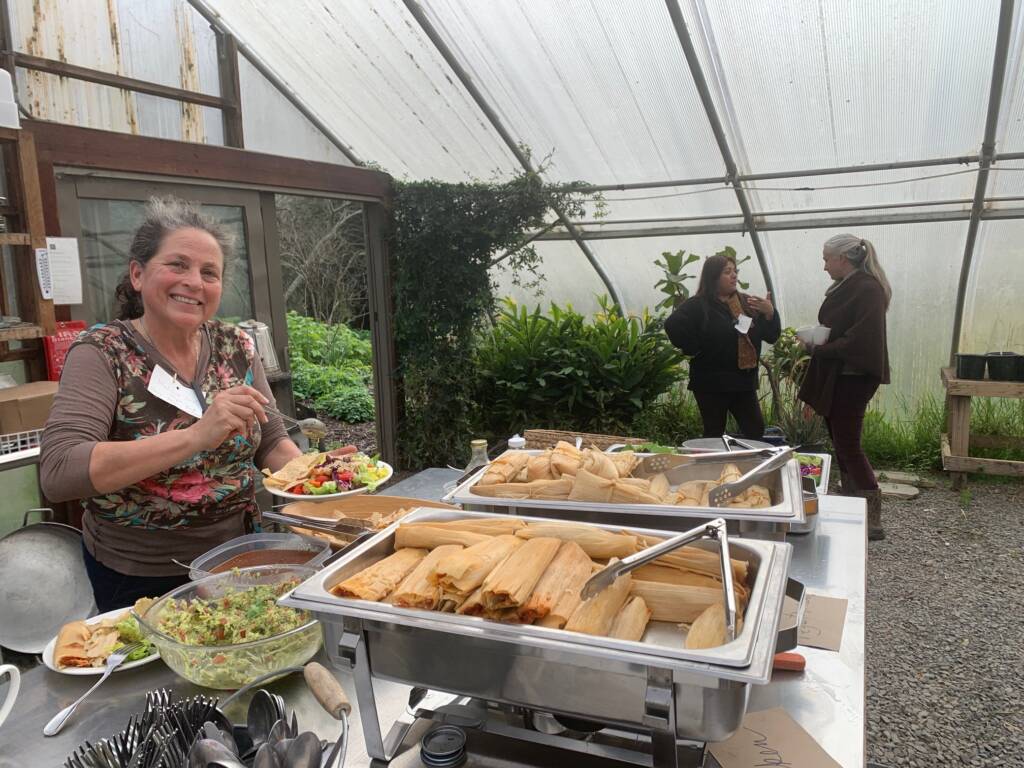
This included advancing a food-maker cohort with La Cocina, in partnership with the Good Luck Fund and our Community Meals Initiative, to support small-business development, permitting, kitchen access, and market readiness. WMFS also supported medically tailored meals with Ceres Community Project, helping move that work from pilot activity toward a more durable service model. At the community level, WMFS expanded climatesmart event practices by providing access to reusable service ware from the West Marin Events Library, and establishing a local business that is selling compostable, compliant service ware at cost for place-based partners producing activations in West Marin. This allows more businesses and community stakeholders to be compliant with the Marin County Reusable Food ware Ordinance and SB 1383.
Ripple Effects
These efforts created benefits beyond meal access alone. Food makers gained pathways toward business development and income generation; reusable service ware and compostable compliant materials helped community events model lower-waste, climate-smart practices; and medically tailored meals strengthened connections between food, health, and community care. The work also surfaced the need for the need to refocus attention on the coordinated emergency food system, including collaboration with the Point Reyes Disaster Council and opportunities to connect West Marin planning with broader North Coast Emergency Food System Partnership in partnership with the Marin Food Policy Council.
Community Resilience
The Community Meals initiative is increasingly functioning as regional infrastructure, focused on linking commercial kitchen access, food entrepreneurship, medically tailored meals, reusable event systems, and emergency food planning. Together, these efforts strengthen West Marin’s capacity to feed people in everyday conditions and during disruption, while creating more inclusive economic opportunity for local food makers and small businesses.
Success Story
COMMUNITY MEALS ADVANCES REUSABLE FOODWARE & WASTE REDUCTION
Over the past three years, the West Marin Food Systems Group has focused on implementing the Marin County Reusable Food ware Ordinance by providing education and technical assistance to community meal programs and local food vendors. Key accomplishments included making compliant compostable food ware available through a local West Marin retailer and supporting 95% food vendor participation at Western Weekend, demonstrating that reusable and compostable compliant food ware practices can be implemented at a large-scale community event. WMFS also developed and supported the deployment and ongoing use of the Eco-Sorting Stations to help community members correctly separate compost, recycling, and landfill materials. This ongoing West Marin Food Systems and West Marin Climate Action work now contributes to the two-year NOAA Sea Grant study, Bridging Science and Community: Waste Audits, Public Perception, and Coastal Sustainability, conducted with Leave No Trace, Cleaner California Coast, Penn State, and UC San Diego across Marin, Sonoma, and Mendocino counties. The Eco-Sorting Station research protocol underwent Institutional Review Board (IRB) review, supporting a rigorous study of how education and sorting interventions influence food-waste behaviors in coastal communities.
Impact
What began as practical support for West Marin community meals is now connecting local food service, waste reduction, regulatory compliance, and university research creating a model for more sustainable community meals and events in the coastal zone.